Essentials for the Design Professional: Crafting High-Impact Booklets
Essentials for the Design Professional: Crafting High-Impact Booklets
Booklets are more than just collections of pages. They are powerful tools that communicate your message clearly and directly to your audience. Whether you are promoting a product, presenting research, or introducing a new concept, a well-designed booklet helps build trust and credibility.
For businesses and organisations across Ireland, especially those looking for professional printing in Dublin, a carefully produced booklet can make a real difference. Print Ready provides high-quality booklet printing that balances visual appeal with usability, ensuring your message is delivered effectively.
Start with a clear purpose and audience
Every successful booklet begins with clarity. Defining the purpose early helps guide decisions around layout, content structure and materials. A corporate profile, product catalogue or educational guide will each require a different approach.
Understanding your audience is just as important. A booklet aimed at business professionals may benefit from a clean, minimal layout and data-led content, while public-facing or educational booklets often work better with approachable language and stronger visual support.
Essential content elements for engaging booklets
Strong content is the foundation of any booklet. Information should be concise, relevant and easy to follow. Avoid unnecessary jargon unless it is appropriate for your audience, and use real-world examples to help explain key points.
Clear structure helps readers stay engaged. Well-organised sections, short paragraphs and logical flow all contribute to a better reading experience.
Design principles for a professional finish
Good design draws readers in and encourages them to keep reading. A strong layout uses clear headings and consistent spacing to guide the eye through the booklet.
Typography plays a key role. Choose fonts that reflect your brand and remain readable at smaller sizes. Limiting font choices to one or two complementary styles helps maintain a professional appearance.
Layout and typography best practices
White space is essential. Allowing content room to breathe makes the booklet feel organised and accessible rather than crowded.
Create a clear hierarchy using font size and weight. Headings should stand out, while body text remains easy to read. Consistency across pages helps reinforce a polished, cohesive look.
Cover and interior design
The cover is your first opportunity to make an impression. A strong title, clear branding and a simple visual concept work better than cluttered designs.
Inside the booklet, consistency matters. Page numbers, headers and footers should follow the same style throughout, helping the booklet feel intentional and professionally produced.
Choosing materials and printing finishes
The paper and finish you choose reflect the quality of your brand. Heavier stocks and premium finishes work well for corporate presentations, while matte or recycled papers suit more informal or environmentally conscious projects.
Special finishes such as foiling, embossing or spot UV can add subtle impact when used carefully, particularly on covers or section dividers.
Binding options for durability and usability
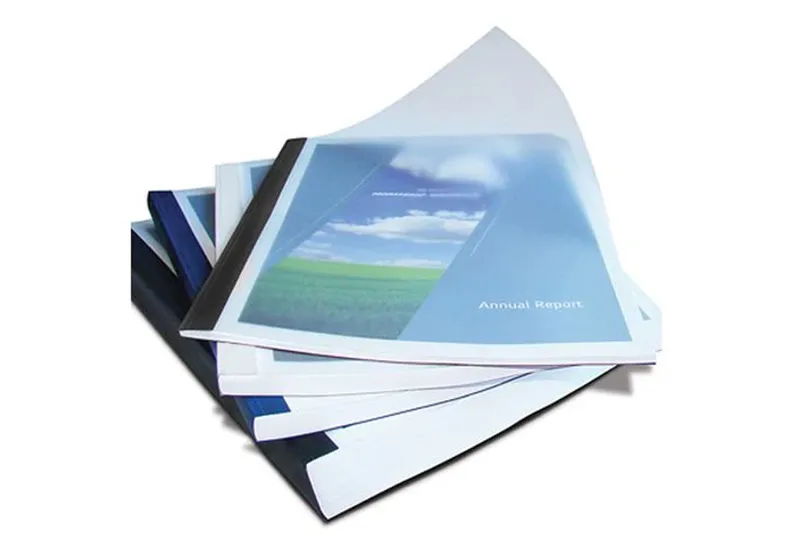
Binding affects how a booklet looks and functions. Print Ready offers several binding options to suit different needs:
- Saddle stitching, ideal for shorter booklets such as event programmes
- Perfect binding, suitable for longer booklets like catalogues or reports
- Wire binding, allowing pages to lie flat for manuals and workbooks
The right binding choice improves usability and helps the booklet perform its intended role.
A practical approach to creating a 10-page booklet
Producing a professional booklet is a structured process:
- Define the purpose and audience
- Outline content and plan the flow
- Design the layout with clear structure
- Create a strong, simple cover
- Add visuals that support the content
- Proofread and review carefully
- Select paper stock and finishes
- Choose the most suitable binding
- Review a test print before final production
- Plan distribution to reach your audience
How different industries use booklets
Booklets are used across a wide range of sectors:
- Healthcare organisations use them to share patient information clearly
- Businesses rely on them for corporate profiles and annual reports
- Event organisers produce programmes and schedules
- Retailers and manufacturers create product catalogues
- Tourism bodies develop guides and visitor information
Creating booklets that leave a lasting impression
A well-crafted booklet communicates professionalism, attention to detail and credibility. With the right planning, design and binding, it becomes a valuable extension of your brand.
To begin your booklet project or to discuss binding and printing options, contact Print Ready on (01) 858 1000 or email hello@printready.live.