Are Business Cards Still Relevant in 2026?
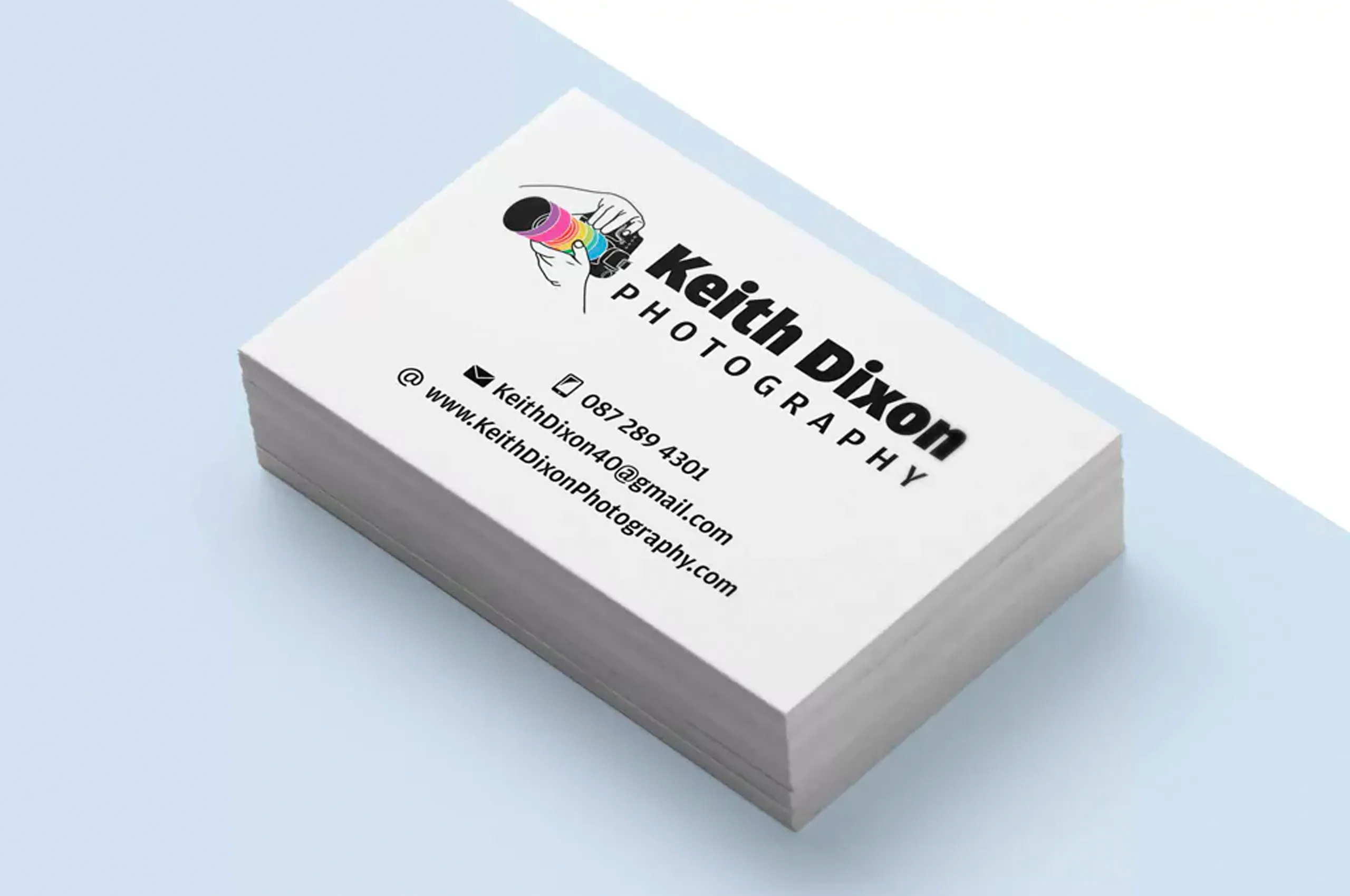
With the ever-evolving world of technology, business cards may seem outdated to some. However, they still remain a powerful networking tool in today’s digital-first world.
This article explores whether business cards still hold value and how they continue to play a role in modern business networking.
What are business cards?
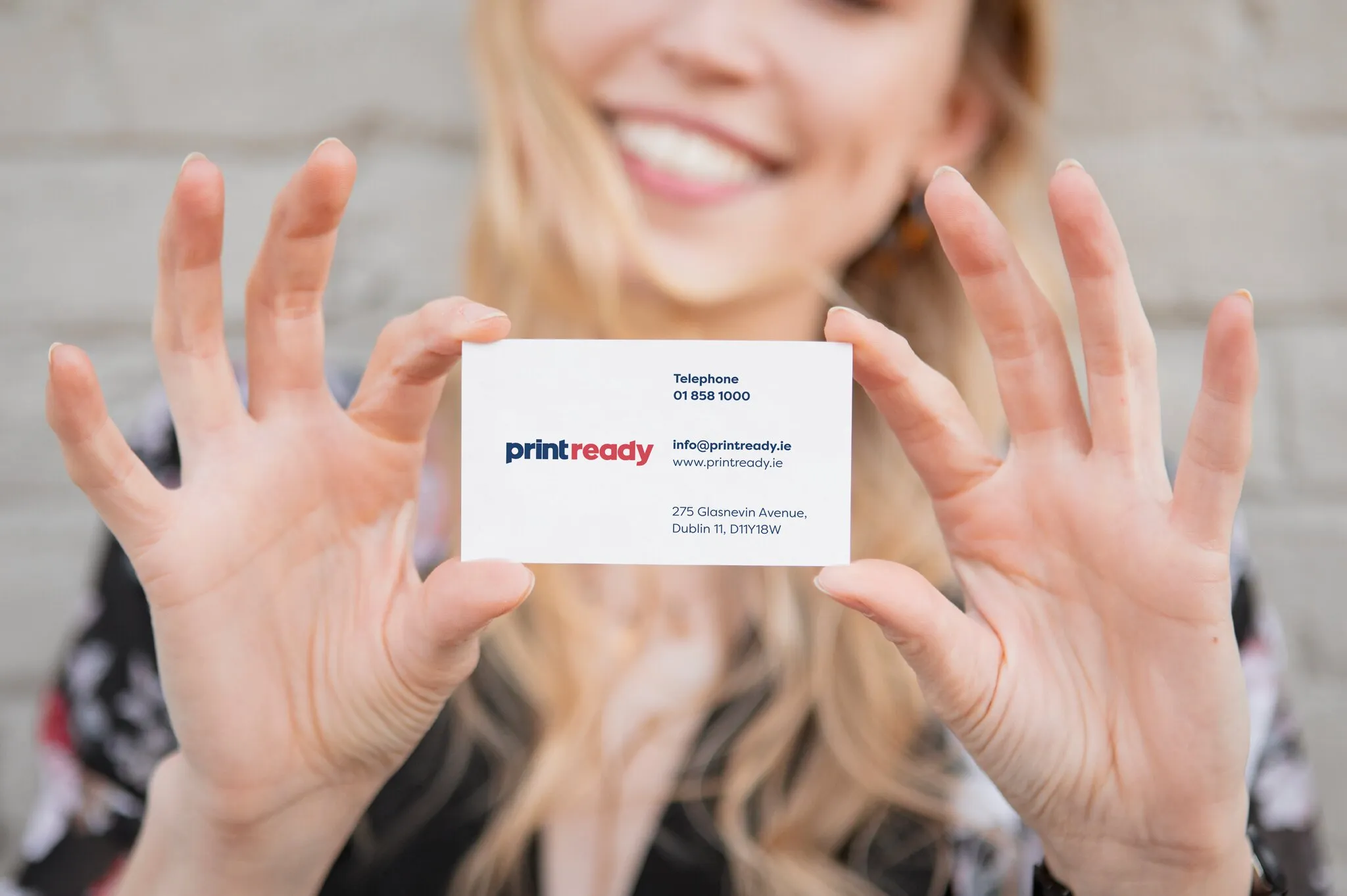
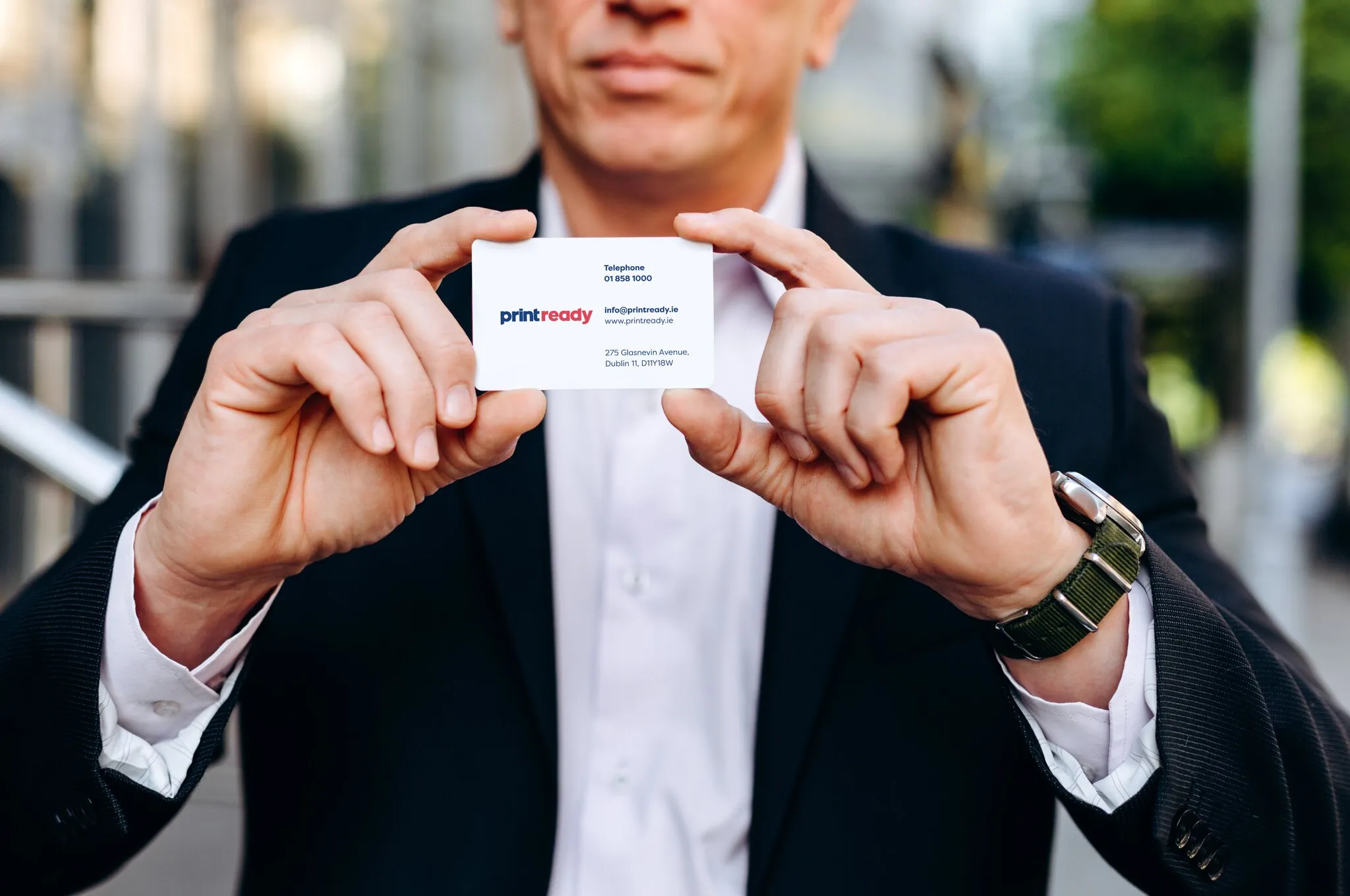
Business cards are compact printed cards containing essential contact details such as name, job title, company, phone number, email, and website. They are used to quickly exchange information during meetings and networking events.
A good card does one job: it makes it easy for someone to reach you after the meeting is over. Everything on it should support that, which is why the best ones keep the details short and easy to find.
 |  |
Brief history of business cards
Business cards originated in 17th century China as “visiting cards” and later evolved in Europe during the 18th century with the rise of the printing industry.
By the 19th and 20th centuries, advancements in printing such as colour, embossing, and die-cutting transformed business cards into branding tools rather than just contact cards.
Are business cards still relevant in 2026?
Despite digital alternatives, business cards remain highly relevant. They offer a physical, personal connection that digital tools cannot fully replace.
Think about the last event you went to. Swapping a card takes a few seconds, needs no signal and no app, and the other person leaves with something they can hold. That is hard to match with a link sent over a phone.
Benefits of business cards today
Convenience and accessibility
Business cards are always available, require no technology, and are easy to share instantly.
Convenience: you can hand one over in a queue, at a stand or across a counter, and there is nothing to charge or log into.
Strong first impressions
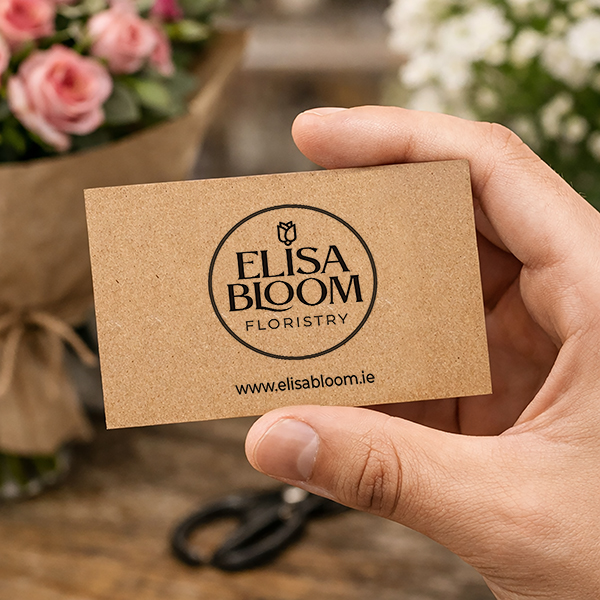
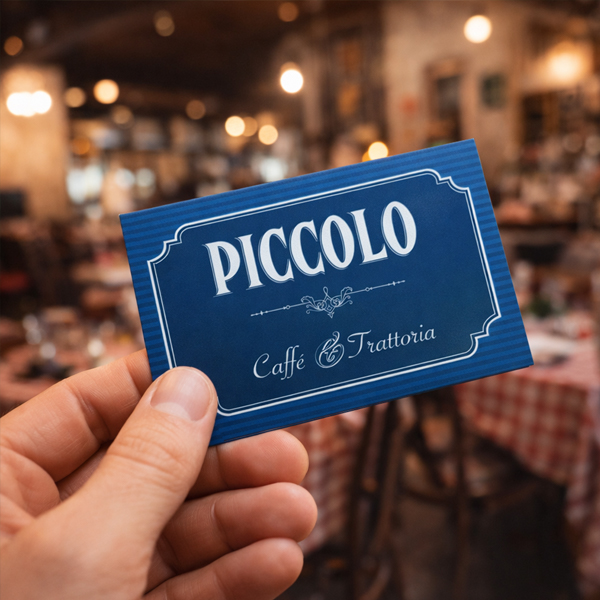
A well-designed card helps you stand out and ensures your brand is remembered.
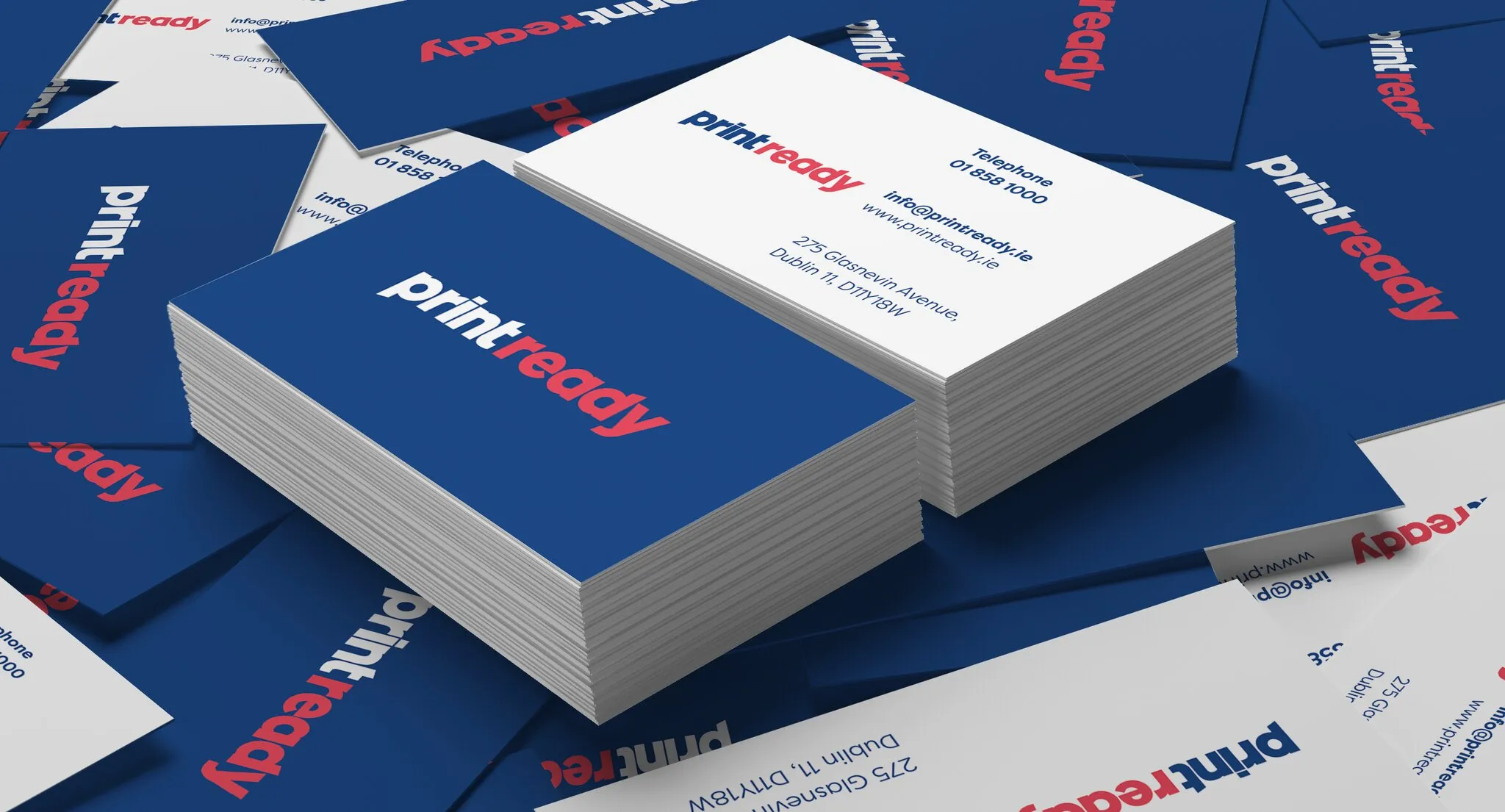
First impressions: paper stock, finish and layout say something about your business before you speak. A card that feels solid gets kept.
Professional credibility
Business cards reinforce trust and professionalism during face-to-face interactions.
Credibility: a printed card shows you are set up and ready for repeat business, which matters most when the person has not met you before.
 |  |  |
Disadvantages of business cards
Can be lost easily
Physical cards can be misplaced or forgotten after events.
Easily lost: put your website or a QR code on the card, so a lost card can still be found through search.
Environmental impact
Traditional printing can create waste, although recycled and eco-friendly options are now widely available.
Environmental impact: recycled and eco-friendly stocks are now widely available, so you can choose one that fits your values.
Limited space
There is only so much information that can fit on a small card.
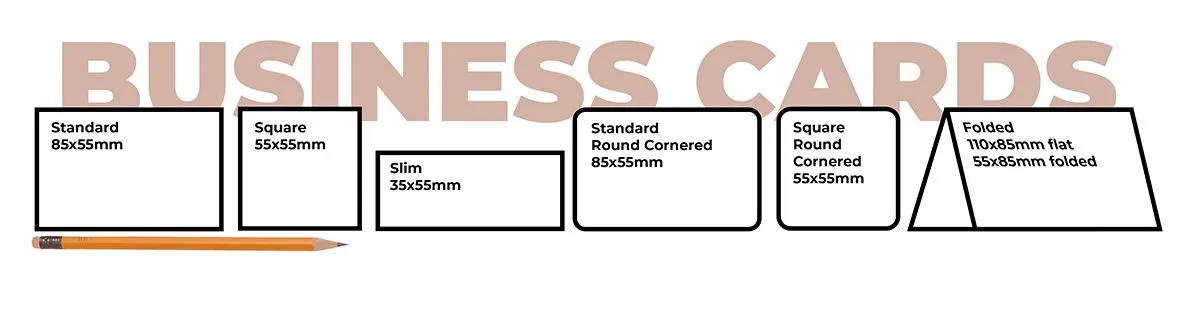
Limited space: pick the two or three details people actually need and leave the rest to your website.
Digital alternatives
QR codes and digital business cards now offer instant sharing of contact details through smartphones and apps.
QR codes and digital cards are useful, and they work best alongside a printed card rather than instead of one. Print the QR code on the card and you get the best of both.
The future of business cards
Business cards are evolving rather than disappearing. Eco materials, QR integration, and premium finishes are shaping the next generation of print networking tools.
How to maximise your business cards in 2026
- Use premium-quality card stock
Premium card stock: the weight and finish are the first thing people notice. Ask us if you want to feel the options before you choose. - Keep design clean and branded
Clean, branded design: your logo, your colours, plenty of space. - Ensure readability at a glance
Readable at a glance: a clear typeface at a size people can read without squinting. - Add a clear call-to-action or QR code
Clear call-to-action or QR code: tell people what to do next, such as visit, call or scan.
Conclusion
Business cards remain a powerful networking tool when designed well and used strategically alongside digital marketing.
Get in touch
If you have a question about business cards or need advice, visit our shop on Glasnevin Ave, email hello@printready.live, or call (01) 858 1000.